
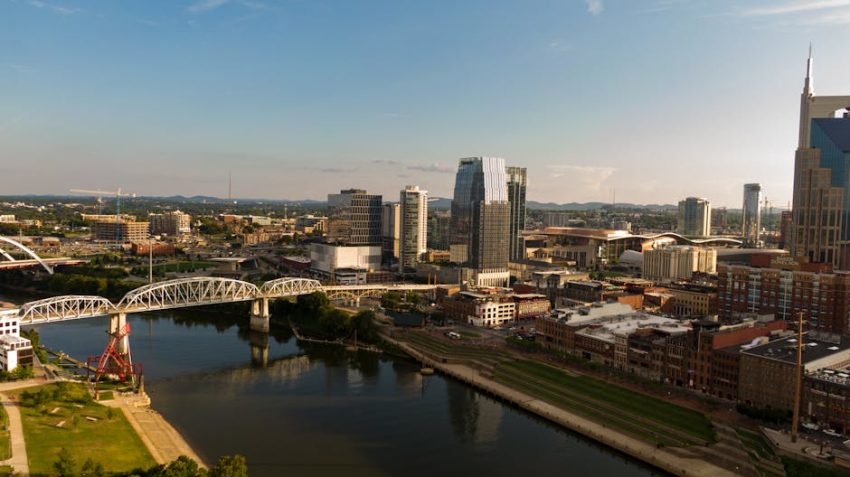
Nashville's neighborhoods are experiencing a dynamic blend of growth, challenges, and community-driven initiatives that are reshaping the city's landscape. From the rapid development in areas like Antioch and Madison to the pressing housing affordability crisis, the city's diverse communities are navigating a complex urban environment.
In recent years, neighborhoods such as Antioch and Madison have witnessed significant growth. As home prices in Nashville continue to rise, these areas have become attractive to homebuyers seeking more affordable options. The median value of a single-family home in the greater Nashville area reached half a million dollars last year, prompting many to look towards these neighborhoods. Antioch, in particular, has emerged as one of the fastest-growing parts of the city, offering a more affordable alternative to the rapidly appreciating central areas.
However, this growth has not been without its challenges. A recent housing and infrastructure study revealed that Black and Hispanic families can afford median-valued homes in less than 1% of Nashville's neighborhoods. This stark statistic underscores the significant housing affordability crisis exacerbated by historical land-use policies that have excluded minority families from homeownership opportunities. The report advocates for a broad transformation in zoning rules to permit more densely packed housing along busy transit corridors and nearby streets in Nashville.
In response to these challenges, Nashville has launched several community-driven initiatives aimed at enhancing urban living. The Nashville Downtown Arboretum, for instance, is a significant green initiative that incorporates more than 3,000 trees strategically planted along sidewalks, boulevards, and public spaces throughout downtown Nashville. Managed by the nonprofit Nashville Downtown Partnership in cooperation with the Nashville Department of Transportation, this project is part of a broader, long-term city effort to expand and sustain urban greenery, highlighting both environmental sustainability and urban beautification.
Additionally, the opening of the new Donelson library has become a central hub in a previously car-oriented area. The library, with a cost of approximately $20 million, spans 24,000 square feet and includes three community event spaces, six study rooms, local art, and a mobile kitchen sponsored by the Stones River Woman's Club. This development signifies a transformation in Donelson, turning it into a vibrant community center that fosters engagement and connectivity among residents.
Despite these positive strides, Nashville's neighborhoods continue to grapple with issues of representation and governance. In June 2025, the Tennessee Court of Appeals upheld a state law reducing Nashville's city-county council from 40 to 20 members. This decision has sparked debates about the impact on local democratic representation, especially in a city that has historically leaned Democratic. While Republican leaders have praised the move as a step towards smaller government, Nashville's Vice Mayor criticized it as undermining local democratic processes.
As Nashville continues to evolve, its neighborhoods remain at the heart of the city's identity. The interplay between growth, affordability, community initiatives, and governance will undoubtedly shape the future of this vibrant metropolis.